4 Best Meat Claws for Pulled Pork: Top Bear Claw Shredders Compared
Discover the best meat claws for pulled pork. Compare nylon and stainless steel bear claws for shredding, lifting, and serving BBQ meats with our research-based buying guide.

Choosing the best meat claws for pulled pork solves a common BBQ frustration: trying to shred a hot pork shoulder with two forks while your hands get tired and the meat cools. Meat claws (also called bear claws or meat shredders) act as extensions of your hands. They dig into cooked pork, chicken, brisket, or turkey so you can pull, lift, and serve without burning your fingers or fighting awkward utensils. Not all claws perform the same. Nylon models often resist heat up to 450–475°F and clean easily in the dishwasher. Stainless-steel versions deliver sharper tines and long-term rigidity but can scratch nonstick surfaces and sometimes need more careful storage. Handle design, tine spacing, and weight also affect comfort during longer shredding sessions. This research-based guide reviews seven popular options available on Amazon, explains the key buying criteria, and helps you match a pair to your cooking style—whether you need an everyday all-rounder, a budget nylon set, or durable metal claws for frequent use. No firsthand testing claims are made; selections rest on published product details and widely reported buyer feedback.
Quick Comparison Table
| Image | Product | Key Feature | Buy Now |
|---|---|---|---|
| Bear Paws Original Meat Shredder Claws 🏆 Best Overall | Food-contact safe material that • Suitable for handling meat straight • Natural fist grip that reduces slip | Buy Now | |
| Alpha Grillers Meat Shredder Claws 💰 Best Budget | Built to handle meat near the grill • Designed for control during shredding • Claws nest together for neat drawer | Buy Now | |
| Gorilla Grip Meat Shredder Claws 🏆 Best Stainless Steel | Extra-sharp for efficient shredding • More tines for potentially faster and • Extra knuckle room for various hand | Buy Now | |
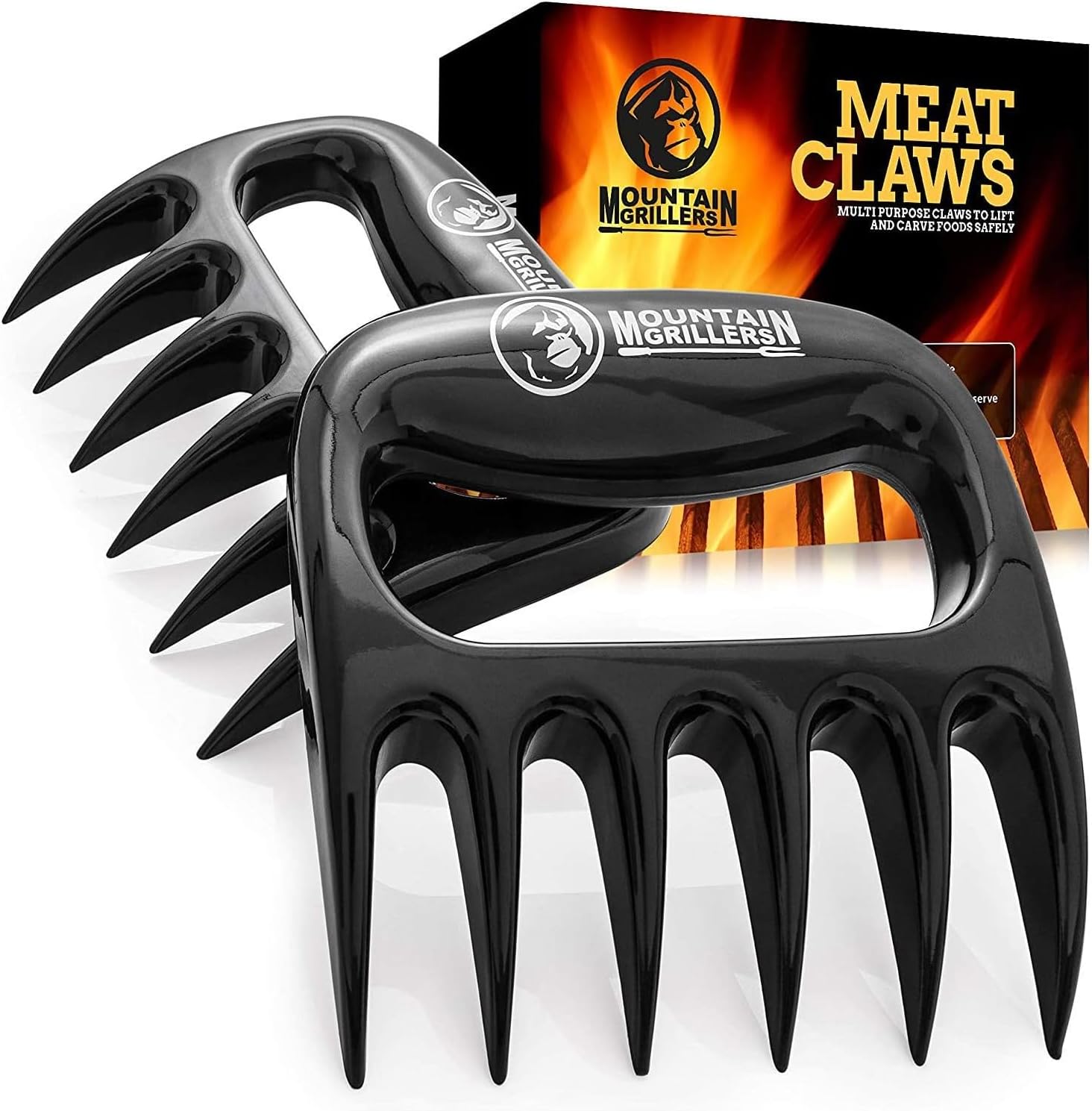
| Mountain Grillers Meat Claws 💰 Best Value Nylon Alternative | Designed for use near grills and • Intended for comfortable grip during • Simplifies post-cook cleanup. | Buy Now |


4 Recommended Best Meat Claws for Pulled Pork
Four research-based candidates compared on features and everyday use
We compared product identity and practical buying criteria from the current Amazon listings. No independent hands-on tests were performed. Confirm the exact variant, dimensions, and care instructions before ordering.
🌟 Key Features That Stand Out
- ✓ BPA-free nylon construction: Food-contact safe material that resists melting near the grill.
- ✓ Heat resistance up to 475°F: Suitable for handling meat straight from many smokers and ovens.
- ✓ Contoured handhold design: Natural fist grip that reduces slip when hands are greasy.
- ✓ Strategically spaced tines: Intended to shred without excessive meat packing between claws.
- ✓ Dishwasher safe: Simplifies cleanup after fatty pork or chicken.
- ✓ USA-made: Manufactured in the United States according to brand claims.
- ✓ Multi-use capability: Lifts whole roasts or turkeys in addition to shredding.
💡 Why We Recommend It
🌟 Key Features That Stand Out
- ✓ Heat-resistant nylon: Built to handle meat near the grill without melting under normal use.
- ✓ Ergonomic grip: Designed for control during shredding and lifting.
- ✓ Locking storage design: Claws nest together for neat drawer storage.
- ✓ Dishwasher safe: Easy cleanup after BBQ sessions.
- ✓ Versatile use: Suitable for pork, chicken, turkey, and even salad tossing.
- ✓ Gift-friendly packaging appeal: Frequently marketed as a practical grilling gift.
- ✓ Less brand heritage than the Original Bear Paws
💡 Why We Recommend It
🎯 Best For
🌟 Key Features That Stand Out
- ✓ 100% stainless-steel claws: Extra-sharp for efficient shredding; resists chipping associated with some plastics.
- ✓ Seven-claw design: More tines for potentially faster and finer shreds.
- ✓ Oversized slip-resistant handles: Extra knuckle room for various hand sizes.
- ✓ Dishwasher safe: Convenient cleanup.
- ✓ Multi-use: Shred, carve, lift, and even toss salads.
- ✓ Rust-resistant construction: Suitable for repeated kitchen and outdoor use.
- ✓ Can scratch nonstick cookware
💡 Why We Recommend It
🎯 Best For
🌟 Key Features That Stand Out
- ✓ Heat-resistant plastic/nylon construction: Designed for use near grills and smokers.
- ✓ Ergonomic handles: Intended for comfortable grip during shredding.
- ✓ Dishwasher-safe design: Simplifies post-cook cleanup.
- ✓ Two-claw set: Hold-and-shred workflow.
- ✓ Multiple color options: Black and other finishes available.
- ✓ Lightweight: Easy to maneuver for most hand sizes.
- ✓ Less brand recognition than Original Bear Paws
💡 Why We Recommend It
🎯 Best For
🏆 Our Top Pick
For most people seeking the best meat claws for pulled pork, the Original Bear Paws remain the top research-based choice. They deliver proven heat resistance, comfortable grip, dishwasher convenience, and a design trusted by many BBQ enthusiasts. Alpha Grillers provide a capable budget alternative.
The single most important purchase consideration is matching material to your cooking style and cookware: nylon for everyday safety and easy cleaning, stainless for maximum rigidity and longevity. Confirm heat ratings, dishwasher suitability, and handle comfort before buying, and always keep plastic tools away from direct open flame.
With the right pair of claws, shredding a pork shoulder becomes faster, safer, and far less frustrating than wrestling with forks—letting you focus on the flavor instead of the fight.
How to Choose the Best Meat Claws for Pulled Pork
Material: Nylon vs. Stainless Steel
Nylon (or high-quality plastic) claws dominate the market because they resist melting near typical smoker and grill temperatures, stay relatively lightweight, and are usually dishwasher safe. Many quality models claim resistance to 450–475°F. Stainless-steel claws provide greater rigidity and sharper penetration, which some users prefer for dense brisket or large volumes. Steel can scratch nonstick surfaces and may feel colder or heavier. Choose nylon for everyday safety and convenience; choose stainless when durability and bite are priorities.
Heat Resistance
Look for an explicit temperature rating. Claws used near a smoker or to lift meat straight from a hot cooker benefit from higher resistance. Always keep any plastic or nylon tool away from direct open flame or glowing coals, which can exceed published ratings and cause damage.
Grip and Handle Design
Contoured or oversized handles reduce fatigue and slip when hands are greasy or when wearing gloves. Extended knuckle room helps larger hands. Textured or rubberized surfaces improve control. Test the feel if possible, or prioritize designs with clear ergonomic claims and positive feedback on grip.
Tine Count, Spacing, and Sharpness
Four to seven tines are common. Closer or more numerous tines can produce finer shreds; wider spacing may reduce clogging with fatty pork. Metal tines are typically sharper out of the box. Regardless of material, ensure the tips are strong enough not to bend under normal pulling force.
Ease of Cleaning
Dishwasher-safe construction is a major convenience after fatty pulled pork. Nylon models usually excel here. Wood handles on stainless sets often require hand washing or careful drying to prevent cracking or mold. Confirm care instructions before buying.
Multi-Function Use
The best claws also function as lifters for whole pork shoulders, chickens, or turkeys and can steady meat while carving. Some designs incorporate bottle openers or secondary edges. Versatility adds value if you already own limited BBQ tools.
Budget and Value
Entry-level nylon sets are inexpensive and perform well for occasional use. Mid-range branded nylon (such as the Original Bear Paws) adds proven design and clearer heat ratings. Premium stainless or wood-handled sets cost more but offer different durability and aesthetic advantages. Match the spend to how often you shred meat.
Common Buying Mistakes
- Ignoring heat-resistance claims and placing plastic claws near open flame.
- Buying the cheapest no-name set without checking material quality or dishwasher safety.
- Choosing pure metal without considering nonstick cookware in your kitchen.
- Overlooking handle size if you have large hands or regularly wear gloves.
- Expecting claws to replace proper resting and internal temperature practices for the meat itself.
Other Buying Guides
Shopping for related gear too? Explore our best grilling skewers for kebabs, best grill mat for vegetables and best portable pellet grill guides.
Practical Tips for Getting the Most From Meat Claws
- Rest the meat first. Allow smoked or roasted pork to rest so juices redistribute; claws work more easily on properly rested meat.
- Use a two-handed technique. Hold the cut steady with one claw and pull or shred with the other for control and safety.
- Start from the exterior. Work inward, removing large sections before fine-shredding for sandwiches or tacos.
- Keep nylon away from direct flame. Even high-rated plastic can melt if left on hot grates or coals.
- Clean promptly. Fatty residue is easier to remove while still warm; use the dishwasher when the product allows.
- Store nested or locked. Many sets include a locking or nesting design that keeps sharp tips protected in a drawer.
- Pair with the right surface. Use stainless, ceramic, or glass bowls with metal claws to avoid scratches.
- Inspect periodically. Discard or replace any claw that develops cracks, bent tines, or sharp edges that feel unsafe.
Nylon vs. Stainless Steel Meat Claws
Nylon claws prioritize heat resistance near the grill, light weight, and easy cleaning. They are the default recommendation for most home cooks who want the best meat claws for pulled pork without worrying about scratched bowls. Stainless-steel claws prioritize rigidity, sharper tips, and potential longevity under heavy use. They suit frequent large-batch shredders and those who prefer a more substantial tool. Hybrid designs (steel tines + wood or rubber handles) attempt to capture benefits of both. Choose according to your primary cooking volume, cookware materials, and preferred tool feel.
What Size Meat Claws Do You Need?
Most consumer pairs are sized for average adult hands and typical pork shoulders or whole chickens. Oversized or “knuckle-grip” designs benefit larger hands or gloved use. Compact sets can feel more precise for smaller cuts or poultry. If you regularly process 10+ lb pork butts or whole turkeys, prioritize models explicitly marketed for lifting strength and generous handle room.
Are Premium Meat Claws Worth It?
For occasional pulled-pork cooks, a solid mid-range nylon set (such as the Original Bear Paws or a well-reviewed budget alternative) delivers excellent results. Premium stainless or wood-handled models become worthwhile when you shred meat weekly, prefer metal tools, or want a more durable long-term investment. The performance difference is real but incremental for typical backyard use; the decision is largely about material preference and frequency of use.
Common Problems With Meat Claws
Meat packing between tines is the most frequent complaint—usually solved by better spacing designs or occasional cleaning during the shred. Plastic melting occurs almost exclusively when claws contact open flame or extremely hot metal surfaces beyond their rating. Handle slip is reduced by contoured or textured grips. Metal scratching of nonstick surfaces is avoided by using appropriate bowls. Most issues are preventable with correct technique and surface choice.