
Best Nonstick Cookware for Induction Cooktop: 4 Products to Compare
Compare four induction cookware options by magnetic compatibility, coating, size, construction, care, and everyday use.
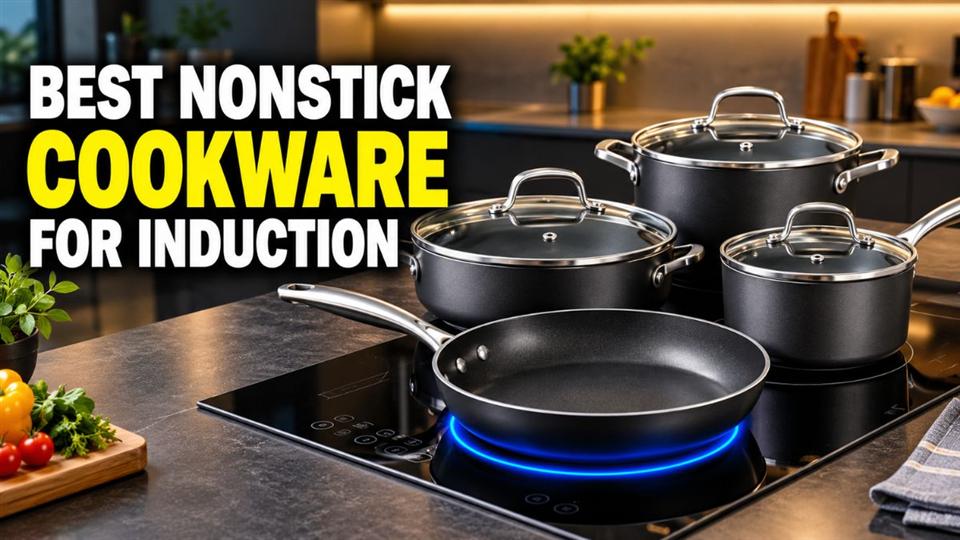
The best nonstick cookware for an induction cooktop combines an explicitly compatible magnetic base with a useful size and a coating you can maintain. Ceramic, PTFE, and hybrid designs have different care requirements; the word nonstick alone does not establish induction compatibility. This guide compares four verified cookware listings: GreenPan Valencia Pro, an All-Clad HA1 saucepan, a SENSARTE deep skillet, and a HexClad frying-pan set. They fill different cooking roles rather than forming a like-for-like performance ranking. We used product information and manufacturer documentation where available; no physical cooking, heat-distribution, or durability tests were performed. Confirm the exact model, base dimensions, included pieces, heat limits, warranty, and current price before buying.
Quick Comparison Table
| Image | Product | Key Feature | Buy Now |
|---|---|---|---|
| GreenPan Valencia Pro 3-Piece Frypan Set 🏆 Ceramic Frying-Pan Set | 8-, 9.5-, and 11-inch ceramic frypans; induction-compatible; hard-anodized bodies. | Buy Now | |
| All-Clad HA1 3.5-Quart Saucepan with Lid 🏆 Sauces & Reheating | 3.5-quart PTFE saucepan with glass lid and induction base; sauces and reheating. | Buy Now | |
| SENSARTE 12-Inch Deep Skillet with Lid 🏆 One-Pan Meals | 12-inch, 5-quart deep nonstick skillet; induction base, glass lid, and helper handle. | Buy Now | |
| HexClad Hybrid 6-Piece Frypan Set 🏆 Hybrid Frying-Pan Set | 8-, 10-, and 12-inch hybrid pans with three glass lids; induction-compatible. | Buy Now |


Recommended Amazon Products
Research-based use-case comparisons, not a hands-on performance ranking. A saucepan, deep skillet, and frying-pan set serve different needs. Confirm the exact model, base dimensions, and current care guidance.
🌟 Key Features That Stand Out
- ✓ Set Contents: 8-, 9.5-, and 11-inch frypans.
- ✓ Coating: Diamond-infused ceramic nonstick.
- ✓ Construction: Hard-anodized body.
- ✓ Induction: Listing specifies all stovetops, including induction.
- ✓ Oven Use: Listing states pans up to 600°F; verify exact model instructions.
- ✓ Care: Dishwasher-compatible listing; use appropriate heat and gentle cleaning.
- ✓ Scope: Frying-pan set, not a collection of saucepans or stockpots.
💡 Why We Recommend It
🎯 Best For
✅ Pros
- Focused frying-pan format
- Three everyday pan sizes
- Ceramic nonstick surface
- Useful for frying and sautéing
- Induction compatibility listed
❌ Cons
- Not a complete cookware collection
- Coating performance can change with use
- Check current model-specific care and warranty
🌟 Key Features That Stand Out
- ✓ Format: 3.5-quart saucepan with high, straight sides.
- ✓ Construction: Hard-anodized aluminum with stainless steel base.
- ✓ Coating: PTFE nonstick identified in current listing.
- ✓ Induction: Listed as compatible with all stovetops, including induction.
- ✓ Lid: Tempered glass cover.
- ✓ Oven Limits: Listing states pan up to 500°F and glass lid up to 350°F; confirm current manual.
- ✓ Care: Dishwasher-safe listing; gentle washing and silicone, nylon, or wood utensils advised.
💡 Why We Recommend It
🎯 Best For
✅ Pros
- 3.5-quart capacity for sauces and reheating
- Induction compatibility listed
- Glass lid included
- Different cooking role from a frying pan
❌ Cons
- Does not replace a shallow frying pan
- PTFE surface needs approved utensils and gentle cleaning
- Glass lid has a lower oven limit than the pan
🌟 Key Features That Stand Out
- ✓ Format: 12-inch, 5-quart deep skillet with lid.
- ✓ Construction: Cast aluminum body.
- ✓ Coating: Switzerland ILAG nonstick surface described in listing; verify composition.
- ✓ Induction: Listing specifies induction-compatible base.
- ✓ Handling: Woodgrain bakelite handle and helper handle.
- ✓ Lid: Tempered glass cover for visibility.
- ✓ Care: Listing recommends hand washing to preserve the surface.
💡 Why We Recommend It
🎯 Best For
✅ Pros
- Deep 5-quart format for one-pan dishes
- Induction base listed
- Glass lid and helper handle
- Rivet-free interior for cleaning access
❌ Cons
- Larger than needed for small breakfasts
- Coating chemistry and oven limits need exact-model confirmation
- Requires gentle care and storage space
🌟 Key Features That Stand Out
- ✓ Set Contents: 8-, 10-, and 12-inch pans with three tempered glass lids.
- ✓ Surface: Current listing describes laser-etched stainless steel with TerraBond ceramic coating; verify supplied version.
- ✓ Construction: Tri-ply body with aluminum core.
- ✓ Induction: Listing specifies compatibility with home induction cooktops.
- ✓ Oven Use: Check current pan and glass-lid limits separately; do not apply one limit to the whole set.
- ✓ Care: Listing permits dishwasher use and metal utensils; follow the exact version’s instructions.
- ✓ Warranty: Manufacturer-defect coverage subject to seller eligibility and current terms.
💡 Why We Recommend It
🎯 Best For
✅ Pros
- Three frying-pan sizes with matching lids
- Hybrid surface design
- Induction compatibility listed
- Useful for varied everyday frying and sautéing
❌ Cons
- May cost more than conventional nonstick alternatives
- Does not replace saucepans or stockpots
- Coating versions and component heat limits need checking
🏆 Our Top Pick
How to Choose Nonstick Cookware for an Induction Cooktop
1. Confirm the exact model’s magnetic base
Induction heats suitable cookware through a magnetic field. An aluminum body alone does not make a pan compatible; it needs an appropriate magnetic base. Look for an explicit induction statement for the exact size and model. A magnet sticking firmly to the bottom is a preliminary check, not a guarantee of performance. Check your cooktop’s minimum pan diameter and zone guidance.
2. Understand the coating
PTFE, ceramic nonstick, and hybrid surfaces are different designs. Read the material disclosure and care instructions rather than relying on words such as stone, diamond, healthy, or premium. No coating guarantees indefinite food release. Our ceramic nonstick frying pan buying guide explains the size and maintenance trade-offs of ceramic options; check each model’s induction compatibility separately.
3. Match size and shape to your meals
A small frying pan is useful for individual portions, while a larger shallow skillet offers room for several pancakes or vegetables. A deep skillet accommodates sauces and one-pan meals, and a saucepan suits grains, soups, and reheating. For a dedicated breakfast pan, our nonstick frying pan comparison for eggs helps compare small and larger formats. Match the magnetic base diameter, not just the rim measurement, to your induction zone.
4. Look for a flat base and practical construction
A stable base matters for secure placement and cooktop detection. Check weight, usable cooking area, and whether the pan remains comfortable to lift when full. A warped base or a pan that rocks should be checked with the manufacturer. If you also want an uncoated skillet for browning and pan sauces, our stainless steel frying pan guide for beginners explains construction and cooking technique.
5. Check handles, lids, and oven limits
A helper handle can make a large deep skillet easier to manage. Confirm whether lids are included, whether handles require protection, and the separate temperature limits for pan bodies, handles, and glass lids. An oven-safe claim does not mean every component can withstand the same heat. Follow the exact version’s instructions.
6. Treat care as part of the purchase
Gentle hand washing with dish soap and a soft sponge is a practical approach for many coated pans, even where dishwasher cleaning is allowed. Follow the maker’s instructions, use approved utensils, and avoid abrasive scouring or sudden temperature changes. A coating’s useful life depends on cooking frequency, heat, cleaning, storage, and its condition.
7. Compare value per useful piece
Count the pans and capacities you will actually use, remembering that advertised piece counts often include lids. Compare warranty terms, seller eligibility, return policy, replacement costs, and current price. A premium coating or larger box does not automatically offer better value.
Should You Buy a Set or Individual Pans?
A frying-pan set can be useful if you already own saucepans and stockpots. It will not replace those deeper vessels for soup, pasta water, or larger batches of grains. A first kitchen may need a broader assortment, while a small household may prefer one versatile skillet and a saucepan. Write down your regular meals before buying. Our stainless steel cookware set comparison for a $200 budget shows how included pieces and construction affect value if you are considering a mixed kitchen of coated and uncoated cookware.
Practical Tips for Induction Nonstick Cookware
- Match the magnetic base to the cooktop’s zone and minimum pan-size requirements.
- Start with moderate heat; induction can heat compatible cookware quickly.
- Avoid prolonged empty heating, and follow the maker’s preheating instructions.
- Use approved silicone, wood, or nylon utensils unless the manufacturer explicitly permits others.
- Allow the cookware to cool before washing and use nonabrasive tools.
- Protect coatings with soft separators when stacking pans.
- Inspect for warping, peeling, flaking, or other damage and follow replacement guidance.
- Keep the exact model’s care instructions, purchase details, and warranty information.
Ceramic vs. Hybrid vs. Traditional Nonstick
Ceramic nonstick uses a coated cooking surface; traditional nonstick often uses PTFE; hybrid cookware combines a patterned or exposed metal structure with a nonstick component. These descriptions do not establish every product’s chemistry. Versions can change, so check the supplied model. Compare heat restrictions, utensil rules, cleaning needs, and warranty rather than assuming that one category always cooks better or lasts longer.
Common Problems and What to Check
The cooktop does not detect the pan
Confirm induction compatibility, magnetic base diameter, correct zone placement, and the cooktop manual’s minimum size requirements. A magnetic base may still be too small for a particular zone.
Food starts sticking
Check heat setting, surface cleanliness, utensil use, and coating condition. Clean gently according to the manual. Do not try to restore a damaged coating by aggressive scrubbing.
Heating seems uneven
Check that the base is flat and the zone suits the pan. Size, construction, heat level, and food placement all influence results; material claims alone do not prove uniform heating.
The surface is peeling or flaking
Stop using visibly damaged cookware and consult the manufacturer’s guidance. Replacement should depend on condition and product instructions rather than a universal lifespan.
How We Selected These Products
This research-based guide uses four identifiable cookware listings from the supplied ASINs. We compared intended use, coating descriptions, induction statements, sizes, construction, accessories, care, and value. Three supplied ASINs returned unrelated products and were excluded. No hands-on cooking tests, independent temperature measurements, durability tests, or current customer-rating checks were performed. Product features are listing information, with manufacturer documentation consulted where available. Category labels describe use cases rather than laboratory awards.
Final Buying Advice
Start with verified induction compatibility, then choose the shape and capacity that fit your everyday meals. GreenPan is our starting choice for a focused ceramic frying-pan set, All-Clad fills a saucepan role, SENSARTE offers a deep skillet format, and HexClad provides a hybrid pan-and-lid set. Confirm the exact ASIN, supplied version, magnetic base dimensions, package contents, component heat limits, care instructions, warranty, and current price. Fewer useful pieces can be better value than a larger set you rarely use.


